

EDP vs EDT — what is the real difference? An Eau de Parfum (EDP) typically contains 15–20% aromatic oils and lasts 6–8 hours, while an Eau de Toilette (EDT) usually contains 5–15% and lasts 3–6 hours. Parfum (also called Extrait de Parfum) sits at the top with 20–40% and the longest wear. In practice, EDP is richer and longer-lasting; EDT is lighter, brighter and often cheaper.
Yet the label on the bottle is only half the story. The same fragrance name in EDT and EDP can smell noticeably different, and an EDT from one house can outlast an EDP from another. This guide explains the five key differences, the history behind the names, and how to choose the right strength for your lifestyle, climate and budget.
Key Takeaways
- Concentration = the percentage of aromatic compounds dissolved in alcohol and water.
- Typical order of strength: Extrait/Parfum > Eau de Parfum > Eau de Toilette > Eau de Cologne > Eau Fraîche.
- There is no legal standard — percentages are industry conventions, so performance varies between brands.
- Different concentrations of the same scent are often reformulated, not just diluted.
- Choose EDT for daytime and heat, EDP for all-day wear, Parfum for evenings and a close, luxurious aura.
What Does Perfume “Concentration” Actually Mean?
Every fragrance is made from a perfume concentrate (the blend of natural and synthetic aromatic materials) mixed with perfumer’s alcohol and sometimes a little water. The concentration is the share of that concentrate in the finished liquid. More concentrate means more scent molecules on your skin — which generally means more longevity and a deeper, richer character.
It is worth knowing that neither the EU nor the US legally defines these terms. The International Fragrance Association (IFRA) regulates ingredient safety, not label names, so the ranges below are accepted conventions rather than rules.
EDP vs EDT vs Parfum: The Comparison Table
| Type | Aromatic Concentration | Typical Longevity | Projection | Best For |
|---|---|---|---|---|
| Extrait de Parfum / Parfum | 20–40% | 8–24 hours | Intimate, close to skin | Evenings, special occasions, cooler weather |
| Eau de Parfum (EDP) | 15–20% | 6–8+ hours | Moderate to strong | All-day wear, office to dinner |
| Eau de Toilette (EDT) | 5–15% | 3–6 hours | Bright, airy | Daytime, summer, gym, casual |
| Eau de Cologne (EDC) | 2–5% | 2–4 hours | Light | Refreshing splash, hot days |
| Eau Fraîche / Body Mist | 1–3% | 1–2 hours | Very soft | Post-shower freshness, layering |
The 5 Key Differences Between EDP and EDT
1. Concentration of Fragrance Oils
This is the defining difference in the EDP vs EDT debate. An EDP generally has roughly double the aromatic content of an EDT. That extra concentrate is what gives an EDP its fuller body.
2. Longevity on Skin
Because there is more fragrance material and less alcohol, an EDP evaporates more slowly. Most people get a full working day from a good EDP, while an EDT often needs a top-up by the afternoon. Skin type, climate and composition still matter — see our guide on how to make perfume last longer.
3. Scent Profile and Character
Here is what surprises most people: many houses reformulate rather than simply dilute. The EDT version of a fragrance often emphasizes bright top notes such as citrus, lavender and fresh spices. The EDP typically leans warmer and deeper, with more amber, vanilla or woods. The Parfum or Elixir version usually turns richer still.
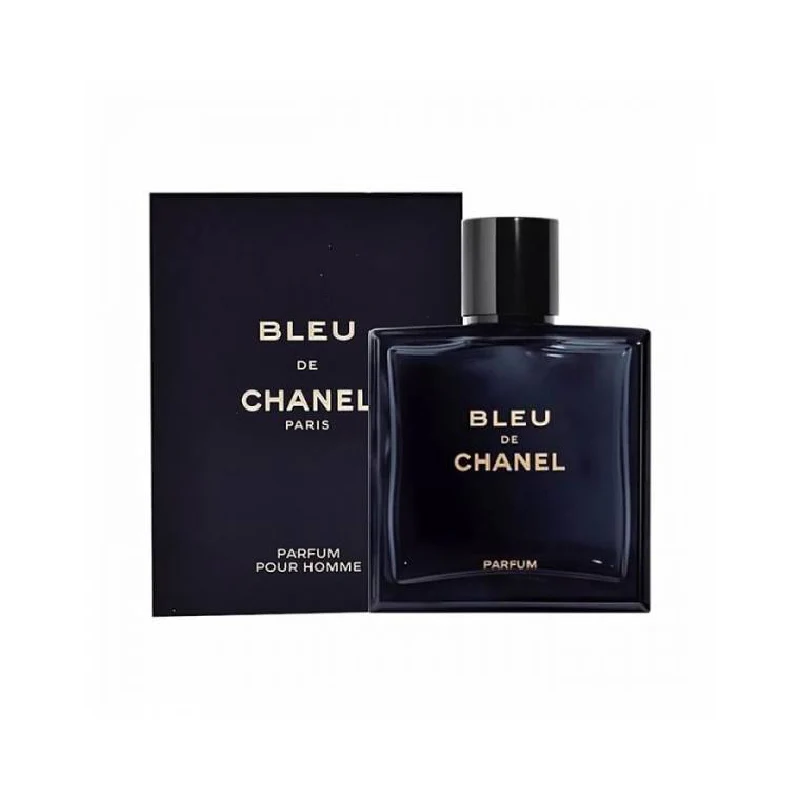
A clear example is the Bleu de Chanel line. The original is crisp and citrus-woody, while the Bleu de Chanel Parfum is smoother, more sandalwood-rich and longer-lasting. Dior Sauvage follows a similar pattern: the Sauvage EDP adds warmth and vanilla, the Sauvage Parfum goes creamier, and Sauvage Elixir becomes spicy, dense and powerful.
4. Projection and Sillage
Projection is how far a scent radiates from your body; sillage is the scent trail you leave behind. You might expect stronger concentrations to project more, but the opposite is often true. The alcohol in an EDT helps launch volatile notes into the air, creating a bright cloud. A Parfum, with less alcohol and more oil, tends to sit closer to the skin — intimate, but very long-lasting.
5. Price
More concentrate costs more to produce, so EDPs usually cost more than EDTs, and Parfums more again. Per hour of wear, however, an EDP is often better value because you need fewer sprays and fewer reapplications.
A Brief History of Fragrance Concentrations
The term Eau de Cologne dates back to 1709, when Italian perfumer Johann Maria Farina created a bright citrus water in Cologne, Germany. “Eau de Toilette” comes from the French faire sa toilette — getting ready — and was a lighter daytime version of perfume. The Eau de Parfum label became popular from the 1970s and 1980s as brands sought a middle ground between the radiance of an EDT and the richness of an Extrait. Read more on the history of perfume.
What About Elixir, Intense, Absolu and Extreme?
These are marketing names rather than official concentrations. They usually indicate a richer, longer-lasting interpretation of an existing scent:
- Intense: a deeper EDP or EDT version, often with more amber or woods — e.g. Valentino Uomo Born in Roma Intense.
- Elixir: typically Parfum-level strength with spicier, denser notes — e.g. Le Male Elixir or La Vie est Belle L’Elixir.
- Absolu: usually darker and more resinous — e.g. Absolu Aventus.
- Extreme / Extradose: amplified versions with more projection — e.g. Spicebomb Extreme.
EDP vs EDT: Which Should You Choose?
Choose an Eau de Toilette If…
- You want something fresh and uplifting for daytime, the gym or the office.
- You live in a hot, humid climate where heavy scents feel cloying.
- You prefer to reapply and enjoy the opening notes again.
- You are building a wardrobe and want an affordable entry point.
Choose an Eau de Parfum If…
- You want one application to last from morning to evening.
- You prefer warmer, deeper, more sensual fragrances.
- You want the best balance of performance and value.
Choose a Parfum or Extrait If…
- You love a rich, close-to-skin aura that lasts into the next day.
- You are dressing for evenings, weddings or cooler months.
- You want the most refined and luxurious version of a scent, such as Baccarat Rouge 540 Extrait.
How Many Sprays Should You Use?
| Concentration | Recommended Sprays |
|---|---|
| Extrait / Parfum | 1–3 |
| Eau de Parfum | 3–5 |
| Eau de Toilette | 4–6 |
| Cologne / Body Mist | Generous, reapply as needed |
Is Cologne Just Perfume for Men?
No. In many countries “cologne” is used casually to mean any men’s fragrance, but technically Eau de Cologne is a concentration level, not a gender. Plenty of men’s fragrances are EDPs or Parfums, and many women’s scents come as EDTs. If you want to understand the scent itself rather than the label, read our guide to fragrance families.
EDP vs EDT: Real Examples From Popular Fragrance Lines
The best way to understand EDP vs EDT is to compare real fragrances that come in several strengths. Here’s how some of the most popular lines change as the concentration increases:
| Fragrance Line | Lighter Version | Richer Version | What Changes |
|---|---|---|---|
| Dior Sauvage | EDT – peppery, fresh, bergamot-led | EDP / Elixir | More vanilla, spice and amber; much longer wear |
| YSL Y | Y EDT – crisp, green, apple-sage | Y EDP / Y Elixir | Warmer ambery woods and deeper lavender |
| Versace Eros | Eros EDT – mint, apple, vanilla | Eros Parfum | Darker, woodier, less minty |
| JPG Le Male | Le Male EDT – lavender, mint, vanilla | Le Male Le Parfum / Elixir | Iris, honey and tobacco; richer and sweeter |
| YSL Libre | Libre EDT – brighter, airier | Libre EDP | More vanilla and orange blossom depth |
| Lancôme La Vie Est Belle | EDP | L’Extrait | Denser praline and vanilla; closer to skin |
As these examples show, the EDP vs EDT decision is often really a choice between two different interpretations of the same idea — so it’s worth sampling both.
Does a Higher Concentration Always Mean Better Quality?
No. Concentration describes strength, not quality. A beautifully composed EDT made with excellent materials can be more enjoyable than a poorly balanced Parfum. Many perfumers deliberately design their masterpiece at EDT strength because the lighter dilution lets the top and heart notes sparkle. Quality comes from the composition, the materials and the perfumer’s skill — not from the number on the label.
EDP vs EDT for Different Climates
Climate has a big influence on which concentration works best:
- Hot and humid climates: heat amplifies fragrance. An EDT or a fresh EDP is usually more comfortable during the day. Save Parfums and Elixirs for air-conditioned evenings.
- Mild climates: EDPs shine all year, offering a good balance of presence and comfort.
- Cold climates: fragrance evaporates more slowly in the cold, so richer EDPs, Parfums and Elixirs project better and feel cozy.
Looking for warm-weather options? Our best summer perfumes guide includes many fresh EDTs and EDPs.
EDP vs EDT: Value for Money Calculation
Let’s look at real-world value. Imagine two 100 ml bottles of the same fragrance line:
| EDT | EDP | |
|---|---|---|
| Sprays per wear | 6 | 4 |
| Reapplications per day | 1 | 0 |
| Total sprays per day | ~12 | ~4 |
| Approximate wears per 100 ml (≈1,000 sprays) | ~85 days | ~250 days |
Even if the EDP costs a little more, it can last almost three times as long. That’s why, for many people, the EDP vs EDT question comes down to value as much as scent.
Understanding Labels: Parfum, Perfume and Fragrance
- “Parfum” on an ingredient list (INCI) simply means “fragrance mixture” — it doesn’t tell you the concentration.
- “Perfume” in everyday English refers to any fragrance, whatever its strength.
- “Eau de Parfum” or “Parfum” on the front label is the concentration name.
- “Cologne” in the US often just means a men’s fragrance, regardless of strength.
How to Test EDP vs EDT Side by Side
- Spray the EDT on one wrist and the EDP of the same line on the other.
- Smell both at 5 minutes — notice how the EDT opening is brighter.
- Smell again at 1 hour — the EDP should feel fuller and warmer.
- Check at 4 and 6 hours — note which one you can still detect.
- Choose based on which you enjoy most during the dry-down, since that’s how you’ll smell for most of the day.
EDP vs EDT: Which Is Better for Beginners?
If you’re new to fragrance, an Eau de Parfum is usually the easiest place to start. It’s forgiving, lasts through a full day, and helps you understand how a scent evolves. Once you know which fragrance family you love — explore our fragrance families guide — you can add EDTs for summer and Parfums for evenings.
EDP vs EDT: Which Lasts Longer on Clothes?
On fabric, both concentrations last far longer than on skin because clothing doesn’t heat up. An eau de parfum sprayed on a wool scarf can still be detectable after several days, while an eau de toilette often lasts a full day or more. If you love the brightness of an EDT but want extra longevity, a light mist on clothing is an easy fix.
EDP vs EDT for Men
Many classic men’s fragrances started life as EDTs — think Versace Eros, Le Male and Acqua di Giò. Today, men increasingly choose EDP, Parfum and Elixir versions for better performance. As a rule of thumb:
- Office and daytime: an EDT or a fresh EDP.
- Evenings and dates: an EDP or Parfum.
- Winter and special occasions: an Elixir or Parfum.
Explore our best long-lasting perfumes for men for top picks at every strength.
EDP vs EDT for Women
Women’s fragrances are most often launched as an eau de parfum, with lighter eau de toilette or “L’Eau” versions released later for summer. For instance, Chanel N°5 L’Eau offers a fresher, lighter take on the iconic N°5. If you love a women’s fragrance but find it too heavy for warm days, look for its EDT or “L’Eau” sibling. Discover favorites in our best perfumes for women guide.
Common Mistakes When Choosing Between EDP and EDT
- Assuming they smell identical. Always test both if you can.
- Judging strength by the label alone. Composition matters as much as concentration.
- Over-spraying an EDP. Fewer sprays are needed than with an EDT.
- Ignoring the climate. A heavy Parfum may feel cloying on a hot day.
- Buying the cheapest per bottle rather than per wear. The EDP is often better value over time.
EDP vs EDT: Quick Decision Guide
| If You Want… | Choose |
|---|---|
| All-day wear with one application | Eau de Parfum |
| A bright, fresh opening and lighter feel | Eau de Toilette |
| The richest, most intimate version | Parfum / Extrait |
| A refreshing splash after the gym | Eau de Cologne or Body Mist |
| The best value per wear | Eau de Parfum |
| Something for hot summer days | EDT or a fresh EDP |
How Concentration Interacts With Fragrance Notes
Concentration changes the balance of a fragrance’s pyramid. In an EDT, the volatile top notes are more prominent because there’s more alcohol helping them lift off the skin. In an EDP or Parfum, the heavier base notes have more room to shine, and the dry-down tends to be longer and richer. That’s why the EDP vs EDT choice often feels like choosing between “fresh and sparkling” and “deep and warm”. Learn more in our guide to fragrance notes.
Final Tips for Getting the Most From Any Concentration
- Apply to moisturized skin straight after showering.
- Spray pulse points and add a light mist to clothing.
- Store bottles away from heat and light to protect the formula — see how to store perfume.
- Use our 17 longevity tips to stretch every spray.
Whichever side of the EDP vs EDT debate you land on, the right technique will help you enjoy your fragrance for longer.
Frequently Asked Questions
Which is stronger, EDP or EDT?
Eau de Parfum is generally stronger. It usually contains 15–20% aromatic oils compared with 5–15% in an Eau de Toilette, so it lasts longer and smells richer.
Does EDP last longer than EDT?
Yes, in most cases. A typical EDP lasts 6–8 hours or more on skin, while an EDT lasts around 3–6 hours, though skin type and composition also matter.
Do EDP and EDT versions of the same perfume smell the same?
Not always. Many brands reformulate each concentration, so the EDT often feels fresher and brighter while the EDP is warmer and deeper.
Is Parfum the same as Extrait de Parfum?
Yes. Parfum, Extrait de Parfum and Pure Perfume all describe the highest standard concentration, usually 20–40% aromatic compounds.
Is EDP or EDT better for summer?
EDT is usually more comfortable in heat because it is lighter, but a fresh EDP can be ideal if you want your scent to last through a long hot day.
Final Verdict on EDP vs EDT
When comparing EDP vs EDT, think about where and when you will wear the scent. EDT is your bright, easy daytime companion. EDP is the dependable all-rounder that lasts. Parfum is the luxurious, intimate finish. None is “better” — the best choice is the one that suits your skin, climate and moment.
Browse our full range of designer, niche and Arabian fragrances to find your perfect strength.