

Niche vs designer perfume — what’s the difference? Designer perfumes are made by fashion houses (Chanel, Dior, Gucci, Versace) for broad mass appeal and are sold widely. Niche perfumes are made by houses dedicated purely to fragrance (Creed, Le Labo, Byredo, Xerjoff, Maison Francis Kurkdjian) with more artistic freedom, smaller production and usually higher prices. Neither is automatically “better” — they simply serve different goals.
The niche vs designer perfume debate is one of the most discussed topics among fragrance lovers. Is a $300+ niche bottle really better than a designer bestseller? Are you paying for ingredients or for marketing? This guide breaks down the seven real differences so you can spend smart and choose fragrances you genuinely love.
Key Takeaways
- Designer = fashion/beauty brands creating fragrances for wide audiences.
- Niche = specialist perfume houses focused on creativity, distinctive ingredients and smaller runs.
- Niche isn’t always longer-lasting or higher-quality — but it’s usually more distinctive.
- Designer fragrances often offer the best value and the safest crowd-pleasers.
- Arabian houses blur the lines, offering niche-style compositions at designer-friendly prices.
What Is a Designer Perfume?
A designer perfume is created and marketed by a fashion or luxury brand whose main business is clothing, accessories or cosmetics. These brands usually work with large fragrance manufacturers such as Givaudan, Firmenich, IFF or Symrise, and their fragrances are tested extensively with consumers to appeal to as many people as possible.
Examples: Chanel, Dior, Gucci, Versace, Giorgio Armani, Valentino, Jean Paul Gaultier.
What Is a Niche Perfume?
A niche perfume comes from a house whose core business is fragrance itself. These houses typically release fewer scents, take bigger creative risks, highlight specific raw materials, and sell through selected boutiques and retailers rather than everywhere.
Examples: Creed, Le Labo, Byredo, Xerjoff, Parfums de Marly, Amouage, Kilian, Initio, Roja, Bond No. 9.
Niche vs Designer Perfume: Side-by-Side
| Factor | Designer | Niche |
|---|---|---|
| Brand focus | Fashion & beauty | Fragrance only |
| Target audience | Mass market | Enthusiasts & connoisseurs |
| Creative style | Safe, crowd-pleasing | Artistic, distinctive |
| Typical price (100 ml retail) | Mid-range | Premium to very high |
| Availability | Everywhere | Selected retailers |
| Marketing | Celebrity campaigns, big budgets | Word of mouth, storytelling |
| Uniqueness | Often worn by many people | Less commonly smelled |
The 7 Real Differences
1. Creative Freedom
Designer fragrances are usually tested on focus groups before release, which encourages crowd-pleasing compositions. Niche perfumers are often freer to experiment — think of the salty, airy woodiness of Le Labo Another 13 or the smoky leather of Byredo Cuir Sellier.
2. Ingredients and Raw Materials
Niche houses frequently spotlight specific raw materials — Taif rose, Mysore-style sandalwood, Iris pallida or genuine oud. However, “natural” doesn’t automatically mean “better”: modern synthetic molecules are safe, sustainable and often essential for performance. Many celebrated niche scents rely heavily on synthetics, such as the ambroxan and hedione in Baccarat Rouge 540.
3. Price
Niche fragrances cost more due to smaller production runs, costlier materials and boutique distribution. Designer fragrances benefit from massive scale. Price alone, though, doesn’t guarantee quality or that you’ll enjoy a scent.
4. Performance
This one surprises people: niche is not automatically longer-lasting. Designer powerhouses like Sauvage Elixir or Le Male Elixir can outlast many niche perfumes, while some niche scents are intentionally soft “skin scents”. Read our concentration guide to understand why.
5. Exclusivity and Uniqueness
If you want to smell different from everyone in the room, niche wins. Designer bestsellers are worn by millions; many niche fragrances are rarely encountered in everyday life.
6. Brand Storytelling
Niche houses often build fragrances around a story, place or memory — Byredo Gypsy Water evokes Romani wanderlust, while Creed Silver Mountain Water captures Alpine streams. Designer storytelling tends to center on fashion and celebrity ambassadors.
7. Accessibility
Designer perfumes are easy to test in department stores worldwide. Niche can be harder to sample — which is why buying from a trusted retailer with a wide range matters.
Where Do Arabian Perfumes Fit?
Middle Eastern houses like Lattafa, Armaf and Rasasi sit in an exciting middle ground: bold, often niche-inspired compositions with strong performance at very accessible prices. Learn more in our guide to the best Arabic perfumes.
Niche vs Designer: Which Should You Buy?
Choose Designer If…
- You want a reliable, crowd-pleasing compliment-getter.
- You’re new to fragrance and building your first collection.
- Value for money is a priority.
Choose Niche If…
- You want something distinctive and less common.
- You love exploring specific ingredients like oud, iris or rare woods.
- You see fragrance as art and self-expression.
Best Starter Picks From Each
| Style | Designer Pick | Niche Pick |
|---|---|---|
| Fresh woody | Bleu de Chanel Parfum | Creed Aventus |
| Warm amber | YSL Black Opium | Baccarat Rouge 540 |
| Rose | Miss Dior | PdM Delina |
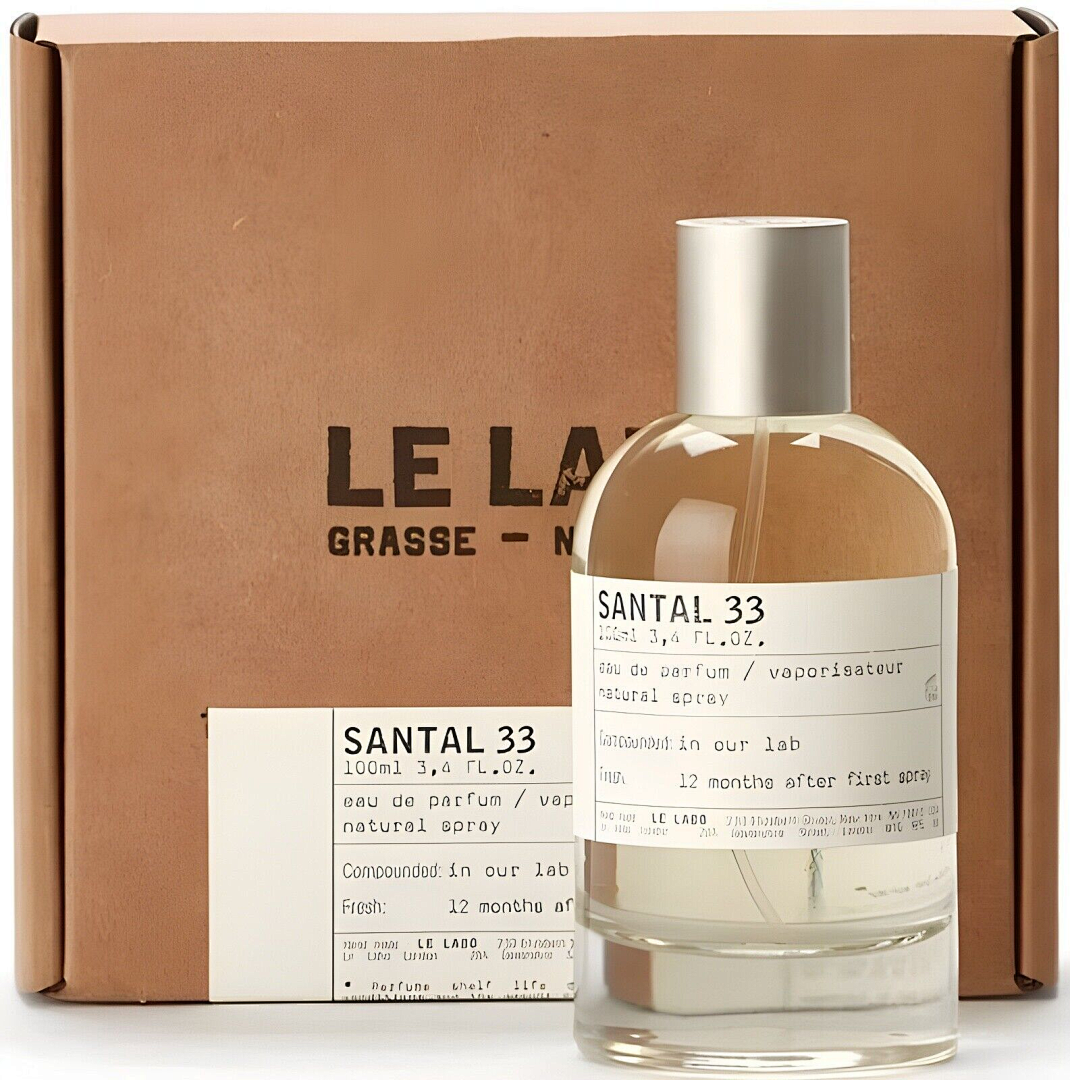
| Woody | Gucci Guilty EDP | Le Labo Santal 33 |
| Gourmand | La Vie Est Belle | Kilian Angels’ Share |
Who Makes Designer and Niche Perfumes?
One of the least-known facts in the niche vs designer perfume conversation is that both often rely on the same skilled perfumers. Many famous noses work for the major fragrance manufacturers and create scents for both designer and niche brands. Others work in-house for a single house.
- Francis Kurkdjian created Jean Paul Gaultier’s Le Male in the 1990s — a designer blockbuster — before founding his own niche house, Maison Francis Kurkdjian, which created Baccarat Rouge 540. He later became creative director of fragrance at Dior.
- Dominique Ropion and Alberto Morillas have composed hits for both designer brands and niche houses.
The difference, then, is often less about talent and more about the brief: designer briefs typically aim for mass appeal, while niche briefs can be more daring.
The “Clone” Phenomenon: Bridging Niche and Designer
A growing category of fragrances takes inspiration from famous niche perfumes and offers a similar scent profile at a lower price. Many Arabian houses and some designer brands now create “inspired by” styles. For example, Maison Alhambra and Armaf are known for accessible interpretations of iconic styles.
These fragrances let you explore expensive styles affordably, though the originals often have more nuance, smoother dry-downs and higher-quality materials. If you love an inspired scent, it can be a great way to discover which niche original you might want to invest in.
Is Niche Perfume Worth the Price?
It depends on what you value. Niche perfume is worth it if you want:
- A distinctive scent few people around you wear.
- Exploration of unusual ingredients and creative compositions.
- Smoother, more refined materials in many cases.
- A fragrance with a story and craftsmanship behind it.
Designer perfume may be better value if you want:
- Safe, crowd-pleasing compliment-getters.
- Strong performance per dollar.
- Easy availability and frequent new releases.
Signs of a High-Quality Perfume (Niche or Designer)
- Smooth evolution: the scent transitions gracefully from top to base notes.
- A balanced dry-down: no harsh, sharp or “chemical” edge after a few hours.
- Depth: you notice new facets each time you smell it.
- Reasonable longevity for its style and concentration.
- Consistency: it smells the same each time you buy it from a trusted retailer.
Learn to evaluate these qualities with our fragrance notes explained guide.
Niche vs Designer Perfume: Popular Myths
“Niche perfumes are all natural.”
False. Most niche perfumes use synthetic molecules, just like designer fragrances. Synthetics are essential to modern perfumery.
“Designer perfumes are cheap quality.”
False. Many designer fragrances, especially from houses like Chanel, Dior and Tom Ford, are expertly crafted with excellent materials.
“Niche means small and independent.”
Not always. Several well-known niche houses are now owned by large luxury groups, though they continue to operate with their own creative identity.
“Expensive equals long-lasting.”
False. Price reflects many factors; performance depends on concentration and composition.
How to Explore Niche Perfumes Without Overspending
- Start with famous “gateway” niche scents like Aventus, Santal 33, Delina or Gypsy Water.
- Test before you buy wherever possible, and wear a scent for a full day.
- Explore by family: if you love a designer amber, try a niche amber next.
- Buy from a reputable retailer with clear product information and support.
Niche vs Designer Perfume for Gifting
For a gift, designer perfumes are often the safer bet because they’re widely loved and recognized. Niche perfumes make spectacular gifts for fragrance enthusiasts who already own the classics. See our perfume gift guide for ideas across both categories.
Niche vs Designer: Famous Examples Compared
To make the niche vs designer debate concrete, here’s how some well-known fragrances compare in style:
| Scent Style | Designer Perfume | Niche Perfume | Key Difference |
|---|---|---|---|
| Fresh aquatic | Acqua di Giò Profumo | Creed Virgin Island Water | Niche adds tropical lime-coconut character |
| Leather | Gucci Guilty Absolu | Byredo Cuir Sellier | Niche feels more textured and unusual |
| Vanilla gourmand | Libre Vanille Couture | Kayali Vanilla 28 | Different takes on creamy vanilla |
| Oud | 1 Million Golden Oud | MFK Oud | Niche is drier, more refined |
| Rose | Gucci Bloom Ambrosia | Le Labo Rose 31 | Niche adds spicy, woody unisex twist |
Are Tom Ford, Kilian and Initio Niche or Designer?
Some brands blur the niche vs designer line:
- Tom Ford: a fashion house (designer), but its Private Blend line — Oud Wood, Tobacco Vanille, Lost Cherry — is priced and styled like niche.
- Kilian: a fragrance-focused house regarded as niche/luxury.
- Initio Parfums Privés: a niche house known for bold, sensual compositions.
- Parfums de Marly: niche, inspired by 18th-century French royal heritage.
- Maison Francis Kurkdjian: niche, founded by a renowned perfumer.
Many fragrance lovers call these “luxury” or “prestige” perfumes, sitting between classic designer perfume and small artisan houses.
Niche vs Designer: Which Lasts Longer in Reality?
Longevity depends on concentration and materials, not category. A designer perfume such as Sauvage Elixir can outlast many niche perfumes, while some niche fragrances like Another 13 are intentionally intimate skin scents. If longevity is your priority, read our guide on how to make perfume last longer and focus on rich base notes.
How to Build a Collection That Mixes Niche and Designer
- Start with designer staples for everyday reliability — Bleu de Chanel, Coco Mademoiselle, Acqua di Giò.
- Add one niche “statement” scent for special occasions — Baccarat Rouge 540, Aventus or Delina.
- Explore Arabian perfumes for niche-style richness at accessible prices — see our best Arabic perfumes.
- Fill gaps by fragrance family — use our fragrance families guide.
- Upgrade gradually as your taste evolves.
The Bottom Line on Niche vs Designer
The niche vs designer perfume question doesn’t have a single right answer. Designer perfume offers reliability, recognition and value; niche perfume offers individuality, artistry and discovery. The smartest collections include both — chosen by how they make you feel rather than the name on the bottle.
Frequently Asked Questions
Is niche perfume better than designer?
Not necessarily. Niche perfumes are usually more distinctive and creative, but many designer fragrances are excellent, long-lasting and better value. The best choice depends on your taste.
Why is niche perfume so expensive?
Niche houses produce smaller batches, often use costlier raw materials and sell through select boutiques, all of which raise the price.
Do niche perfumes last longer than designer perfumes?
Not always. Longevity depends on concentration and composition. Some designer Elixirs outlast niche perfumes, while some niche fragrances are deliberately soft.
Is Creed a niche or designer brand?
Creed is considered a niche fragrance house because it focuses solely on perfume.
Is Tom Ford niche or designer?
Tom Ford is a designer brand, but its Private Blend line (such as Oud Wood and Tobacco Vanille) is often treated as niche-style because of its pricing and distinctive compositions.
Final Thoughts
When it comes to niche vs designer perfume, the “winner” is whichever fragrance makes you happy when you wear it. Designer scents deliver polished, proven appeal; niche fragrances offer artistry and individuality. Most collectors happily own both.
Explore designer, niche and Arabian houses side by side in the Loves Perfumes collection, or start with our guide on how to choose a signature scent.