

Fragrance notes are the individual scents you smell as a perfume develops on your skin. They are grouped into three layers: top notes (the first impression, lasting 5–30 minutes), heart notes (the core character, lasting 2–4 hours) and base notes (the deep foundation, lasting 6 hours or more). Together they form the “fragrance pyramid” that every perfumer uses to build a scent.
Once you understand fragrance notes, buying perfume becomes far easier. You can read a product description and predict whether you will love it, understand why a scent smells different after an hour, and find new fragrances that share the notes you already adore. This guide walks you through everything — with real examples from the Loves Perfumes collection.
Key Takeaways
- Top notes are light and volatile; they create the first impression and fade fastest.
- Heart (middle) notes define the personality of a perfume and emerge as top notes fade.
- Base notes are heavy molecules that anchor the scent and give it longevity.
- Notes are often “accords” — blends that recreate an impression, like “leather” or “sea breeze”.
- Always judge a perfume after 20–30 minutes, once the heart notes appear.
What Are Fragrance Notes?
A fragrance note is a description of a recognizable smell within a perfume — bergamot, rose, vanilla, sandalwood and so on. Notes can come from natural materials (essential oils, absolutes and resins), from synthetic molecules created in a lab, or from a combination of both. Modern perfumery relies heavily on safe, high-quality synthetics, which allow scents that nature cannot provide and protect endangered materials.
The idea of describing perfume in “notes” borrows from music. Just as chords combine individual notes into harmony, perfumers combine scent materials into accords — blends that create a new, unified impression.
The Fragrance Pyramid Explained
Perfumers arrange fragrance notes according to how quickly they evaporate. Small, light molecules lift off the skin first; heavy, large molecules linger. This creates a natural three-stage evolution known as the fragrance pyramid.
| Layer | When You Smell It | Typical Duration | Common Notes |
|---|---|---|---|
| Top notes | Immediately after spraying | 5–30 minutes | Bergamot, lemon, grapefruit, pink pepper, mint, lavender |
| Heart (middle) notes | After 15–30 minutes | 2–4 hours | Rose, jasmine, iris, orange blossom, cinnamon, cardamom |
| Base notes | From about an hour onward | 6–24 hours | Vanilla, amber, musk, sandalwood, oud, patchouli, tonka, leather |
Top Notes: The First Impression
Top notes are what you smell in the first seconds and minutes. They are usually bright, sparkling and fresh: citrus fruits, aromatic herbs, light spices and green notes. Their job is to grab your attention and introduce the fragrance — but they disappear quickly.
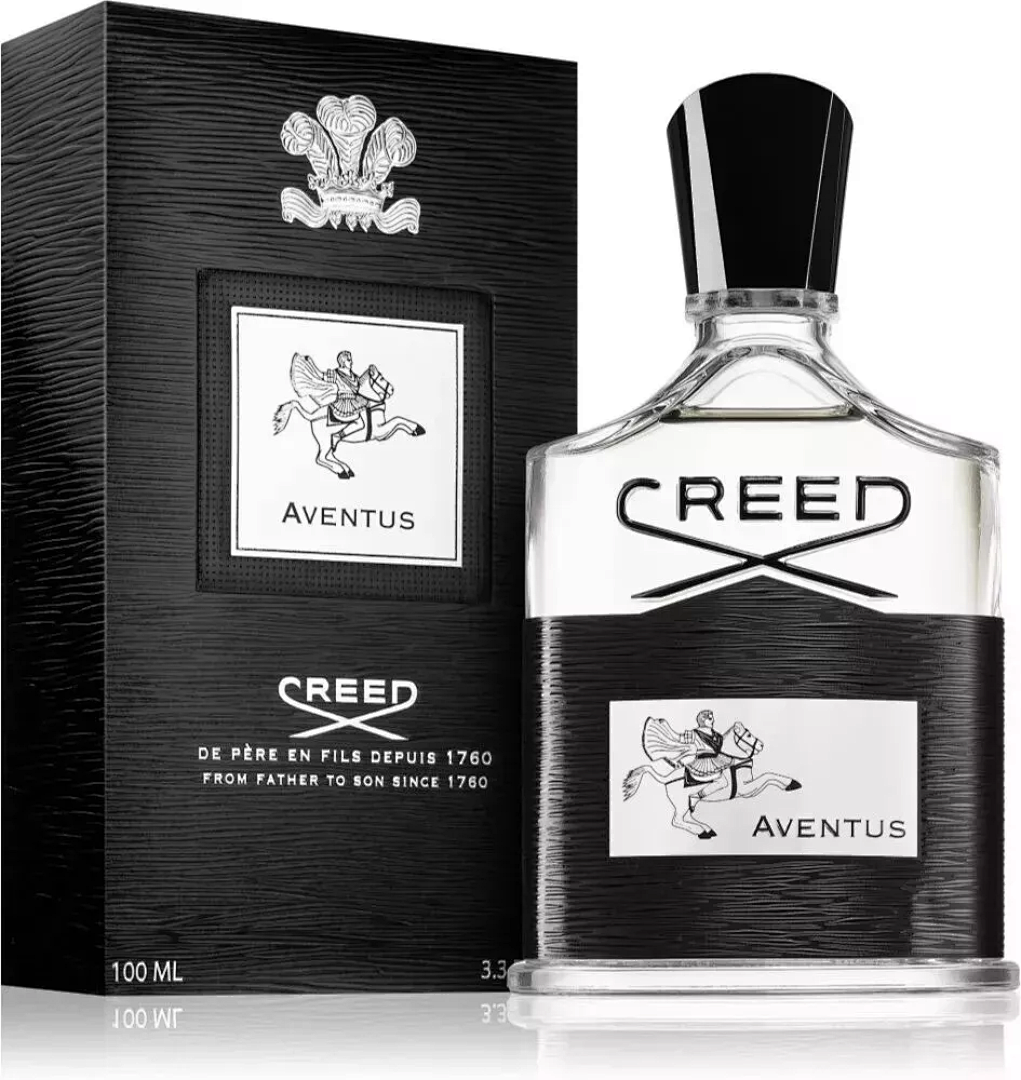
This is why you should never buy a perfume based only on the first spray from a tester strip. The opening of Creed Aventus, for example, bursts with pineapple, bergamot and blackcurrant — but its lasting character is smoky birch and musk.
Heart Notes: The Soul of the Perfume
Heart notes, also called middle notes, appear as the top notes fade. They form the main body of the fragrance and usually last several hours. Florals dominate this layer — rose, jasmine, tuberose, iris, ylang-ylang — along with warm spices and fruity notes.
In Parfums de Marly Delina, the heart is a lush Turkish rose and peony; in Lancôme La Vie Est Belle it is iris, jasmine and orange blossom.
Base Notes: The Lasting Foundation
Base notes are the deep, rich materials that you smell long after the perfume has dried. They give the fragrance depth and longevity and also “fix” lighter notes, slowing their evaporation. Typical base notes include vanilla, tonka bean, amber, benzoin, musk, sandalwood, cedar, vetiver, patchouli, oud and leather.
If longevity matters to you, look for perfumes with a strong base — for instance Tom Ford Tobacco Vanille or Tom Ford Oud Wood. Read more in our guide on how to make perfume last longer.
The Most Popular Fragrance Notes (A–Z Glossary)
| Note | Smells Like | Layer | Example |
|---|---|---|---|
| Ambroxan / Ambergris | Salty, mineral, skin-like warmth | Base | Dior Sauvage EDP |
| Amber | Warm, resinous, slightly sweet | Base | Orientica Royal Amber |
| Bergamot | Bright, citrus with a floral twist | Top | Bleu de Chanel |
| Iris / Orris | Powdery, buttery, elegant | Heart | Dior Homme Intense |
| Jasmine | Rich, heady white floral | Heart | Tom Ford Jasmin Rouge |
| Lavender | Herbal, clean, calming | Top/Heart | JPG Le Male |
| Leather | Smoky, animalic, luxurious | Base | Tom Ford Ombré Leather |
| Musk | Soft, clean, skin-like | Base | Kayali Freedom Musk Santal 34 |
| Oud | Dark, woody, smoky, resinous | Base | Tom Ford Oud Wood |
| Patchouli | Earthy, dark, slightly sweet | Base | Coco Mademoiselle |
| Rose | Romantic, velvety floral | Heart | Le Labo Rose 31 |
| Saffron | Leathery, spicy, honeyed | Top/Heart | Baccarat Rouge 540 |
| Sandalwood | Creamy, milky, smooth wood | Base | Le Labo Santal 33 |
| Tonka Bean | Almond, vanilla, caramel | Base | Shaghaf Oud Tonka |
| Vanilla | Sweet, creamy, comforting | Base | Kayali Vanilla 28 |
| Vetiver | Earthy, smoky, grassy root | Base | Le Labo Thé Noir 29 |
What Are Accords?
An accord is a combination of materials that creates a single new impression. Leather, ocean, “clean laundry”, whiskey and even “cherry” are usually accords built from several ingredients. When you see notes like “marine accord” or “cognac accord” on a perfume description, the perfumer is describing an effect, not one raw material.
Linear vs Evolving Fragrances
Not every perfume follows the classic pyramid. Some modern fragrances are linear — they smell almost the same from first spray to dry-down. Many skin scents and musk-based fragrances work this way. Others are dramatically evolving, opening fresh and drying down warm. Neither is better; it depends on whether you enjoy a scent that tells a story or one that stays consistent.
How to Read a Perfume’s Note Pyramid
- Start with the base notes — they tell you how the perfume will smell for most of the day.
- Check the heart — this reveals the main personality (floral, spicy, fruity).
- Look at the top notes — they tell you how it opens and whether it feels fresh or sweet.
- Identify the family — woody, floral, amber, fresh or gourmand. Our fragrance families guide explains each.
- Compare with scents you already love — shared base notes usually mean you will enjoy the new one.
How to Test Fragrance Notes Properly
- Spray on skin, not just paper — your skin chemistry changes how notes develop.
- Wait at least 20–30 minutes before deciding; revisit after 2–3 hours.
- Test no more than three fragrances at once to avoid nose fatigue.
- Smell coffee beans or your own forearm between tests to “reset”.
Natural vs Synthetic Fragrance Notes
Many people assume natural fragrance notes are always better, but modern perfumery depends on both. Here’s how they compare:
| Natural Materials | Synthetic Molecules | |
|---|---|---|
| Source | Plants, flowers, woods, resins | Created in a laboratory |
| Consistency | Varies with harvest and origin | Identical every batch |
| Sustainability | Some are rare or endangered | Reduces pressure on nature |
| Possible scents | Limited to what nature offers | Can create smells nature can’t (e.g. “clean laundry”) |
| Examples | Rose absolute, bergamot oil, vetiver, oud | Ambroxan, Iso E Super, hedione, calone, ethyl maltol |
Some of the most famous fragrance notes in modern perfume are synthetic. Ambroxan gives warm, mineral radiance to scents like Dior Sauvage; Iso E Super creates the velvety woody “aura” in many niche fragrances; and hedione adds a luminous, airy jasmine effect. Animal-derived notes such as musk, ambergris and civet are now almost always recreated synthetically for ethical reasons.
Fragrance Notes by Category
Perfumers often group fragrance notes into broader categories. Learning these makes it easy to scan a perfume description and instantly understand its style.
Citrus Notes
Bergamot, lemon, lime, orange, mandarin, grapefruit, yuzu and neroli. Bright and uplifting, mostly used as top notes. You’ll find them in fresh fragrances like Neroli Portofino.
Fruity Notes
Apple, pear, peach, blackcurrant, raspberry, cherry, pineapple, lychee and fig. They add juicy sweetness — see the pineapple in Aventus or the cherry in Lost Cherry.
Floral Notes
Rose, jasmine, tuberose, iris, peony, orange blossom, ylang-ylang, lily of the valley, magnolia and gardenia. The heart of most feminine and many unisex perfumes.
Spicy Notes
Pink pepper, black pepper, cardamom, cinnamon, clove, nutmeg, saffron and ginger. They bring warmth and energy — Sauvage Elixir is a great example.
Aromatic and Green Notes
Lavender, rosemary, sage, basil, mint, cut grass, galbanum and tea. Fresh, herbal and clean.
Woody Notes
Sandalwood, cedar, vetiver, patchouli, guaiac wood, birch and oud. Grounding and long-lasting.
Amber and Resinous Notes
Amber, benzoin, labdanum, myrrh, frankincense and tolu balsam. Warm, glowing and sensual.
Gourmand Notes
Vanilla, tonka bean, caramel, praline, chocolate, coffee, honey, almond and pistachio. Edible and comforting — think Kayali Yum Pistachio Gelato.
Musky and Animalic Notes
White musk, ambrette, leather, civet and castoreum (today mostly synthetic). These add skin-like sensuality and longevity.
How Skin Chemistry Changes Fragrance Notes
The same fragrance can smell different on two people. Skin oiliness, pH, temperature and even diet influence how fragrance notes evaporate and blend. On warmer skin, top notes burn off faster and base notes bloom sooner. On oilier skin, notes tend to last longer and sometimes smell richer. This is why testing on your own skin is essential.
Famous Perfumes Broken Down by Fragrance Notes
| Perfume | Top Notes | Heart Notes | Base Notes |
|---|---|---|---|
| Baccarat Rouge 540 | Saffron, jasmine | Amberwood, ambergris | Fir resin, cedar |
| Coco Mademoiselle | Orange, bergamot | Rose, jasmine | Patchouli, vetiver, vanilla, white musk |
| Bleu de Chanel | Grapefruit, lemon, mint, pink pepper | Ginger, nutmeg, jasmine | Incense, cedar, sandalwood, vetiver |
| La Vie Est Belle | Blackcurrant, pear | Iris, jasmine, orange blossom | Praline, vanilla, patchouli, tonka |
| Tobacco Vanille | Tobacco leaf, spices | Vanilla, cacao, tonka, tobacco blossom | Dried fruits, woody notes |
Tips for Training Your Nose to Recognize Fragrance Notes
- Smell real ingredients: sniff fresh citrus peel, vanilla pods, cinnamon sticks, rose petals and cedar shavings.
- Compare perfumes that share a note: smell two vanilla perfumes side by side and notice the differences.
- Write it down: keep a scent journal of what you smell at the opening, after an hour and at dry-down.
- Read the notes after smelling: guess first, then check the official notes — it trains your memory quickly.
- Be patient: recognizing individual fragrance notes is a skill that develops over months.
The more you practice, the more you’ll enjoy every fragrance — and the better you’ll become at choosing perfumes you love. Pair this skill with our guide on perfume layering to start creating your own combinations.
Why Fragrance Notes Smell Different on Paper vs Skin
When you spray a perfume on a paper blotter, you mostly smell the top notes and the heart, and the fragrance stays fairly “pure”. On skin, warmth and natural oils change the evaporation rate of every material, so heart notes appear sooner and base notes bloom differently. That’s why the same fragrance notes can read sweeter, spicier or softer on your skin than on a tester strip. Always make your final decision on skin.
Fragrance Notes and Longevity: A Quick Reference
| Longevity | Typical Fragrance Notes |
|---|---|
| Very short (minutes) | Lemon, lime, grapefruit, bergamot, mint, aldehydes |
| Short (under an hour) | Lavender, pink pepper, apple, pear, eucalyptus |
| Medium (1–4 hours) | Rose, jasmine, orange blossom, iris, cinnamon, cardamom |
| Long (4–8 hours) | Cedar, vetiver, patchouli, sandalwood, tonka bean |
| Very long (8+ hours) | Vanilla, amber, oud, musk, ambergris accords, leather, benzoin |
If you want your perfume to last all day, choose fragrances where the base notes dominate. Our guide on how to make perfume last longer explains more techniques.
Fragrance Notes Used in Arabian Perfumery
Middle Eastern perfumery has its own signature palette of fragrance notes. Oud, saffron, Taif rose, amber, musk, frankincense and sandalwood appear again and again, often combined with sweet notes like dates, honey and vanilla. Bestsellers such as Lattafa Khamrah and Shaghaf Oud Royale show how these base notes create rich, long-lasting compositions. Explore more in our best Arabic perfumes guide, or discover the story of agarwood in our oud perfume guide.
Trending Fragrance Notes in 2026
- Pistachio: creamy, nutty gourmand notes, as in Lattafa Eclaire Pistache.
- Cherry: juicy, boozy cherry accords like Lost Cherry.
- Salt and minerals: airy, skin-like freshness as in Oud Minérale.
- Coffee: roasted, energizing notes in gourmands.
- Marshmallow and whipped cream: soft, fluffy sweetness.
- Ambery woods: radiant, long-lasting modern bases.
Understanding Fragrance Notes in Product Descriptions
When you read a perfume listing, the fragrance notes are usually presented in three groups. But keep in mind:
- Not every material is listed — brands usually share only the most noticeable notes.
- Some notes are poetic — “moonlight” or “cashmere” describe effects rather than real ingredients.
- Accords may be listed as notes — “leather” or “ocean” are blends, not single materials.
- The order can be approximate — some notes appear across more than one layer.
The best approach is to use the notes as a guide, then let your nose decide.
Matching Fragrance Notes to Your Mood
| Mood | Fragrance Notes to Look For |
|---|---|
| Energised | Citrus, mint, ginger, sea notes |
| Relaxed | Lavender, sandalwood, chamomile, musk |
| Romantic | Rose, jasmine, peony, vanilla |
| Confident | Leather, oud, amber, black pepper |
| Comforted | Vanilla, tonka, caramel, cashmere woods |
Once you know which fragrance notes match your moods, you can build a small wardrobe of perfumes for every day — and even combine them with our perfume layering guide.
Frequently Asked Questions
What are top, middle and base notes in perfume?
Top notes are the first, lightest scents you smell and fade within about 30 minutes. Middle (heart) notes form the main character and last a few hours. Base notes are heavy, long-lasting materials such as vanilla, musk and woods that remain for many hours.
Which fragrance notes last the longest?
Base notes last the longest — especially oud, amber, vanilla, tonka bean, patchouli, sandalwood, leather and musk.
Why does my perfume smell different after an hour?
Because the volatile top notes have evaporated and the heart and base notes are now dominant. This evolution is normal and intentional.
What is a perfume accord?
An accord is a blend of several ingredients that creates one new, unified smell — for example a leather, ocean or whiskey accord.
How long should I wait before judging a perfume?
Wait at least 20–30 minutes so the top notes settle, and ideally smell it again after two to three hours to experience the dry-down.
Conclusion
Fragrance notes are the language of perfume. Top notes make the introduction, heart notes reveal the character and base notes leave the lasting memory. Learn to read them and you will be able to shop with confidence, avoid blind-buy disappointments and discover new scents that match your taste perfectly.
Explore notes you love across our designer and niche fragrance collection, or find your perfect match with our guide to choosing a signature scent.