

What is oud? Oud (also spelled oudh, and called agarwood or aloeswood) is a rare, dark, fragrant resin that forms inside the heartwood of Aquilaria trees when they become infected by a mold. The tree produces the aromatic resin as a defense, and that resin-soaked wood is distilled into oud oil — one of the most precious and expensive raw materials in perfumery — and the heart of every great oud perfume. It smells deep, woody, smoky, slightly sweet and animalic.
Oud has been treasured across the Middle East and Asia for thousands of years, burned as incense and worn as precious oil. Today it’s a star ingredient in both Arabian and Western luxury perfumery. This guide explains exactly what oud is, how it’s made, what it smells like, how to tell natural from synthetic oud, and the 12 best oud perfumes in the Loves Perfumes collection.
Key Takeaways
- Oud is resinous heartwood from infected Aquilaria trees — healthy trees don’t produce it.
- Only a small share of wild trees develop the infection naturally, which makes natural oud extremely rare.
- All Aquilaria species are listed under CITES Appendix II to regulate international trade.
- Most modern oud perfumes use synthetic oud accords or blends, which are safe and sustainable.
- Oud smells woody, smoky, leathery, balsamic and sometimes slightly barnyard-like.
How Is Oud Formed?
A healthy Aquilaria tree — native to South and Southeast Asia — has pale, odourless wood. When the tree is wounded and infected by a mold (such as species of Phaeoacremonium), it secretes a dark, fragrant resin to fight the infection. Over years, the heartwood becomes dense, dark and saturated with this resin. That transformed wood is agarwood, and its distilled oil is oud. You can read more about the science on Wikipedia’s agarwood entry.
Why Is Oud So Expensive?
- Rarity: only a small percentage of wild trees develop the infection naturally.
- Time: high-quality resin can take many years — even decades — to develop.
- Low yield: large quantities of wood produce only small amounts of oil through distillation.
- Conservation: wild Aquilaria has been heavily overharvested; since 2004 all Aquilaria species have been listed in CITES Appendix II, which monitors and regulates trade.
Sustainable plantations now cultivate and inoculate trees to produce agarwood responsibly, reducing pressure on wild populations.
What Does Oud Smell Like?
Natural oud is complex and changes with origin and age. Common descriptors include:
- Woody and resinous — deep, dense and rich.
- Smoky — like incense or smouldering wood.
- Leathery and animalic — sometimes described as “barnyard”.
- Sweet and balsamic — honeyed or fruity in some origins.
| Origin | Typical Character |
|---|---|
| Indian (Assam) | Dark, animalic, intense, earthy |
| Cambodian | Sweet, fruity, leathery |
| Vietnamese | Fruity-floral, softer, refined |
| Malaysian / Indonesian | Woody, green, balsamic |
A Brief History of Oud
Agarwood has been prized for millennia. It appears in ancient Sanskrit texts, is used in traditional Japanese incense ceremonies (kōdō) and has long been central to Islamic and Arabian culture — burned as bakhoor to welcome guests, perfume homes and scent clothing. Its name comes from the Arabic word ʿūd, meaning “wood” or “stick”. Western perfumers embraced oud in the early 2000s, and it has since become a defining note of modern luxury fragrance.
Natural vs Synthetic Oud
Because natural oud is so rare and expensive, most commercial perfumes — including many luxury ones — use oud accords: blends of synthetic molecules and other naturals that recreate the impression of oud. This isn’t a negative: synthetic oud is consistent, sustainable and often smoother and easier to wear. Pure oud oils (dehn al oud) are typically sold separately at much higher prices.
How to Wear Oud Perfume
- Start small: oud is powerful — 1–2 sprays is often enough.
- Choose the right season: oud shines in autumn, winter and evenings.
- Layer it: oud + rose is the classic pairing — see our perfume layering guide.
- Apply to pulse points and clothing: oud is especially long-lasting on fabric.
The 12 Best Oud Perfumes
For Beginners
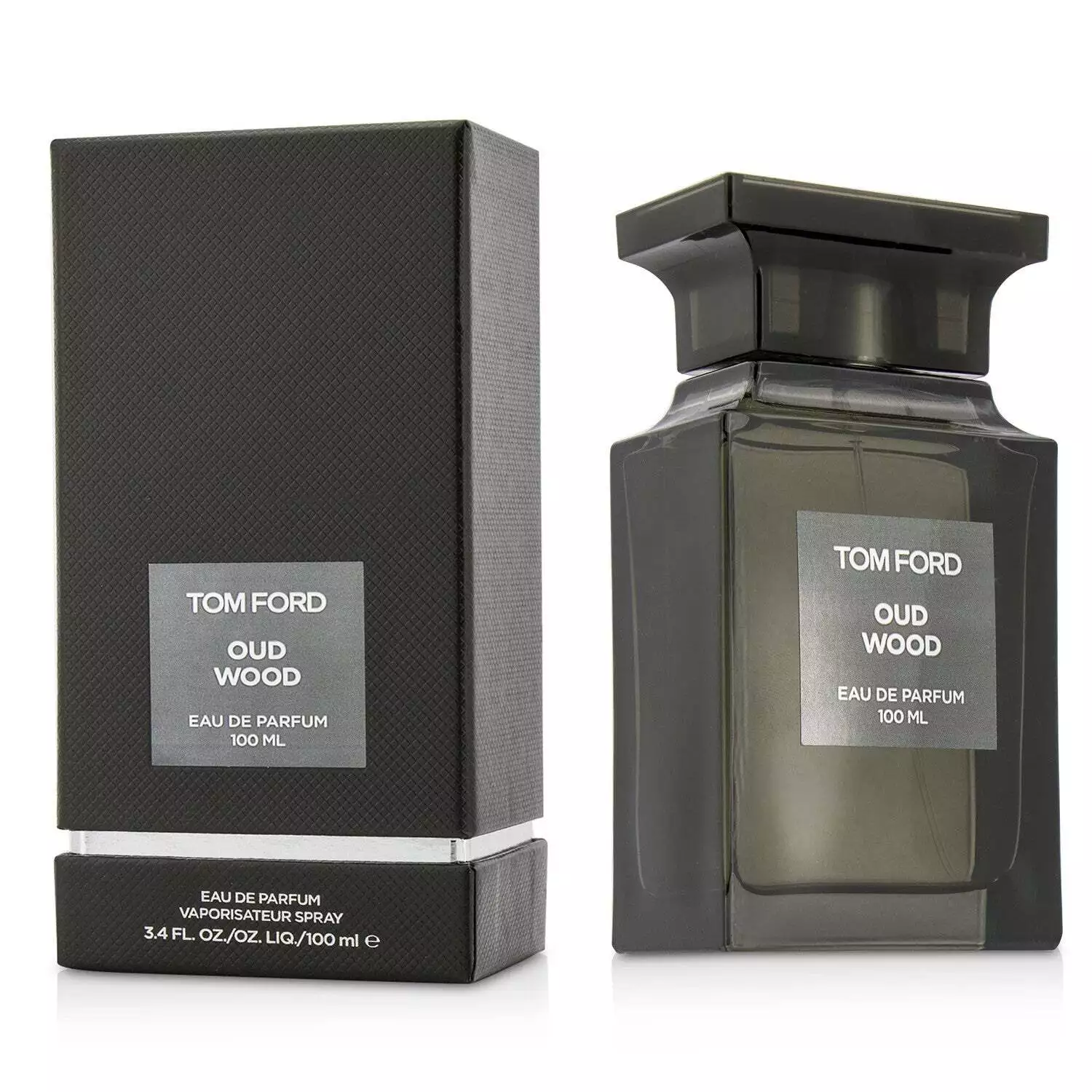
1. Tom Ford Oud Wood
Smooth, polished oud with rosewood, cardamom, sandalwood and vetiver. Oud Wood is the perfect first oud — refined and office-friendly.
2. Lattafa Bade’e Al Oud Oud for Glory
Saffron, oud and patchouli in a rich yet accessible blend. Oud for Glory offers excellent value.
3. Barakkat Satin Oud
Rosy, vanillic and soft. Satin Oud is a velvety introduction to oud-rose blends.
4. Bella Vita Honey Oud
Sweet honey softens the woods. Honey Oud is warm and approachable.
For Oud Lovers
5. Maison Francis Kurkdjian Oud
Saffron, elemi and a dry, luminous oud. MFK Oud is elegant and refined. Oud Mood Extrait is richer still.
6. Tom Ford Oud Minérale
A unique marine-salty oud. Oud Minérale pairs oud with sea notes for a fresh twist.
7. Swiss Arabian Shaghaf Oud Royale
Opulent saffron, rose and oud. Shaghaf Oud Royale embodies Arabian luxury.
8. Orientica Oud Saffron
Spicy saffron and resinous oud. Oud Saffron is warm and regal.
9. Bond No. 9 Oud Supreme
A luxurious, rich oud from New York’s niche house. Oud Supreme makes a statement.
Modern & Creative Ouds
10. Kayali Oudgasm Smoky Oud 07
Smoky oud, tobacco and vanilla. Oudgasm Smoky Oud is modern and seductive.
11. Initio Oud for Happiness
An uplifting, brighter interpretation of oud with airy woods. Oud for Happiness is a joyful take on the note.
12. Rabanne 1 Million Golden Oud
Sweet, spicy designer oud. 1 Million Golden Oud brings oud to a playful, modern audience.
Explore more ouds from Tom Ford Tobacco Oud and the Amouage collection, or read our best Arabic perfumes guide.
What Is Oud? A Quick Definition for Beginners
If you only remember one thing: oud is the fragrant, resin-filled wood of the agarwood tree, and oud perfume is any fragrance that features that dark, woody, smoky note — whether from natural oil or a carefully crafted accord. The word itself comes from Arabic and simply means “wood”. In perfume descriptions, you may also see it written as oudh, aoud, agar or aloeswood.
Oud Perfume in Arabian Culture
In the Gulf states and wider Middle East, oud isn’t just a perfume ingredient — it’s a symbol of hospitality, celebration and respect. Guests are often welcomed by passing a burner of bakhoor (fragrant oud chips) so they can perfume their clothes and hair. Oud oil is worn on special occasions, during religious holidays such as Eid, at weddings and for Friday prayers. Families may keep treasured aged oud oils for years.
This deep cultural connection is why many of the finest oud perfumes come from Arabian houses like Swiss Arabian, Lattafa, Al Haramain and Orientica. Explore them in our best Arabic perfumes guide.
How Oud Is Turned Into Oil
- Harvesting: resin-rich wood is carefully cut from infected Aquilaria trees.
- Grading: pieces are sorted by resin content, color and density — darker, heavier wood is the most valuable.
- Soaking: lower-grade wood is chipped and soaked in water, sometimes for weeks, to prepare for distillation.
- Distillation: the wood is distilled using steam or hydrodistillation for days, slowly releasing the precious oil.
- Aging: many oud oils are aged to soften harsh edges and develop smoother, sweeter facets.
High-grade pieces are often kept whole and burned as incense rather than distilled.
Common Oud Pairings in Perfume
| Pairing | Effect | Example |
|---|---|---|
| Oud + Rose | The classic: velvety, regal, romantic | Barakkat Satin Oud |
| Oud + Saffron | Leathery, luxurious, warm | Orientica Oud Saffron |
| Oud + Vanilla / Tonka | Smooth, sweet, approachable | Shaghaf Oud Tonka |
| Oud + Tobacco | Smoky, rich, masculine-leaning | Tom Ford Tobacco Oud |
| Oud + Sea Notes | Fresh, mineral, modern | Tom Ford Oud Minérale |
| Oud + Coffee | Roasted, gourmand, cozy | Kayali Oudgasm Café Oud |
How to Tell If You’ll Like Oud Perfume
Oud can be polarizing, especially natural oud with strong animalic facets. If you’re unsure, start with these signs:
- You enjoy smoky scents like incense, campfire or leather.
- You like deep woody perfumes such as sandalwood or vetiver.
- You’re drawn to rich ambers and spicy fragrances.
Begin with a polished, blended oud perfume like Tom Ford Oud Wood before moving to more traditional, intense ouds. Our fragrance families guide explains where oud sits among woody and amber scents.
Is Oud Perfume Good for Summer?
Oud is traditionally associated with cooler weather and evenings, but it’s worn year-round in the hot Gulf climate. The trick is moderation and the right style: fresher, airier ouds like Oud Minérale, or a single spray of a softer oud on clothing. Heavy ouds in midday heat can feel overwhelming. For hot-weather options, see our best summer perfumes.
How Long Does Oud Perfume Last?
Oud is one of the most tenacious notes in perfumery. Oud perfumes commonly last 8–12 hours on skin and even longer on clothing and scarves. Pure oud oils can linger for a day or more. To get the most from yours, apply to moisturized skin and fabric — see how to make perfume last longer.
How to Store Oud Perfume
Oud is naturally stable, and many oud oils even improve with age. Still, keep bottles tightly closed, in a cool, dark place away from heat and sunlight — read our perfume storage guide for details.
Oud Perfume Vocabulary
- Dehn al oud: pure oud oil.
- Bakhoor: scented wood chips burned as incense.
- Mukhallat: a blended perfume oil, often containing oud.
- Attar: a traditional, alcohol-free perfume oil.
- Oud accord: a blend recreating the scent of oud, usually including synthetic materials.
Oud Perfume for Men vs Women
Oud perfume has no gender. In the Middle East, oud is worn by everyone, and many of the finest oud perfumes are unisex. That said, some styles lean in different directions:
- Often favoured by men: smoky, leathery and spicy ouds — Tobacco Oud, Shaghaf Oud Ahmar, 1 Million Golden Oud.
- Often favoured by women: rosy, sweet and creamy ouds — Satin Oud, Shaghaf Oud Tonka, Honey Oud.
- Truly universal: Oud Wood, MFK Oud, Oud Minérale.
Oud Perfume Price Guide
| Type | Typical Price Level | What You Get |
|---|---|---|
| Arabian oud EDPs | Accessible | Rich oud accords with excellent longevity |
| Designer oud perfume | Mid-range | Sweet, polished, crowd-pleasing ouds |
| Niche oud perfume | Premium | Refined, distinctive interpretations |
| Pure oud oil (dehn al oud) | Very high | Natural agarwood oil, often aged |
Tips for Buying Your First Oud Perfume
- Start blended: choose an oud perfume where oud is softened with rose, vanilla or woods.
- Test on skin: oud evolves dramatically — wait at least an hour.
- Consider the season: start in autumn or winter when rich scents feel natural.
- Check the base notes: they reveal how the oud will dry down — see our fragrance notes guide.
- Buy from a trusted retailer to ensure you get the genuine product.
Oud Perfume and Layering
Oud is the ultimate layering base. A spray of oud perfume under a rose, amber or vanilla fragrance instantly adds depth and longevity. Classic combinations include oud + rose, oud + saffron and oud + vanilla. Try Oud Wood under Rose 31, or Shaghaf Oud Royale softened with Kayali Vanilla 28. See more in our perfume layering guide.
Sustainability and Oud
Because wild agarwood has been overharvested, the fragrance industry increasingly relies on plantation-grown, inoculated Aquilaria trees and high-quality synthetic oud accords. Choosing perfumes from reputable houses that use sustainable or synthetic oud helps protect wild trees while still letting you enjoy the beauty of oud perfume.
Why Oud Perfume Has Become So Popular
Oud perfume moved from a regional treasure to a global obsession in the 2000s and 2010s, when Western luxury houses introduced it to new audiences. Today, oud appears in everything from designer flankers to niche masterpieces and affordable Arabian bestsellers. Its depth, mystery and exceptional longevity make it one of the most loved notes in modern perfumery — and one that rewards curiosity.
Frequently Asked Questions
What is oud made from?
Oud is made from agarwood — the resin-saturated heartwood of Aquilaria trees that forms when the tree is infected by a mold and produces a fragrant defensive resin.
What does oud smell like?
Oud smells woody, smoky, resinous and balsamic, often with leathery, animalic or slightly sweet facets depending on its origin.
Why is oud so expensive?
Natural oud is rare because only some trees develop the infection, the resin takes years to form, distillation yields little oil, and wild trees are protected under CITES.
Is oud perfume for men or women?
Oud is traditionally unisex. In Arabian culture it is worn by everyone, and most oud perfumes suit all genders.
Is the oud in perfumes real?
Many perfumes use synthetic oud accords or blends rather than pure natural oud, which is extremely costly. Synthetic oud is safe, consistent and sustainable.
Final Thoughts
So, what is oud? It’s a rare treasure born from a tree’s fight against infection — a deep, smoky, resinous wonder that has captivated cultures for millennia. Whether you choose a smooth beginner’s oud like Tom Ford Oud Wood or a regal Arabian blend like Shaghaf Oud Royale, oud adds unforgettable depth to any fragrance wardrobe.
Discover our complete oud selection in the Loves Perfumes collection.