

How should you store perfume? Keep it in a cool, dark, dry place with a stable temperature — ideally in its original box inside a bedroom drawer or wardrobe. Store bottles upright with the cap on, and keep them away from sunlight, bathrooms, radiators, windowsills and hot cars. Stored this way, most perfumes stay fresh for 3–5 years or longer.
A fragrance is a delicate blend of hundreds of aromatic molecules. Heat, light, humidity and oxygen slowly break those molecules down, flattening top notes and turning bright scents sour. The good news? A few simple habits protect your investment and keep every bottle smelling exactly as the perfumer intended. Here’s the complete guide on how to store perfume like a professional.
Key Takeaways
- The four enemies of perfume are heat, light, humidity and oxygen.
- The bathroom is the worst place to store fragrance; a bedroom drawer or wardrobe is the best.
- Keep the original box — it blocks light and buffers temperature changes.
- Most perfumes last 3–5+ years unopened or well stored; heavy ambers and ouds can last much longer.
- Citrus and fresh scents degrade fastest; woods, resins and ambers are most stable.
Why Proper Perfume Storage Matters
Perfume doesn’t spoil like food, but it does change. The main process is oxidation — oxygen reacting with fragrance compounds. Heat speeds this up dramatically, and ultraviolet (UV) light breaks chemical bonds in sensitive molecules, particularly citrus and floral notes. Humidity and fluctuating temperatures add further stress.
The result: muted top notes, a sharp or vinegary opening, darker color and shorter longevity. Proper storage slows all of this.
The 4 Enemies of Perfume
| Enemy | What It Does | How to Protect |
|---|---|---|
| Heat | Accelerates chemical reactions and evaporation | Store at a stable room temperature, ideally below 68–70°F (20–21°C) |
| Light (UV) | Breaks down delicate molecules, especially citrus and florals | Keep in the box or a closed drawer |
| Humidity | Encourages chemical changes and can damage labels and atomisers | Avoid bathrooms; aim for a dry room |
| Oxygen | Causes oxidation, especially in half-empty bottles | Keep caps on; decant large, rarely used bottles |
How to Store Perfume: 11 Expert Rules
1. Choose a Cool, Dark Place
A bedroom wardrobe, dresser drawer or closet shelf is ideal. These spots stay relatively cool and stable and are protected from sunlight.
2. Never Store Perfume in the Bathroom
It’s the most popular storage spot — and the worst. Hot showers create steam and sudden temperature swings several times a day. Move your collection out of the bathroom and you’ll extend its life significantly.
3. Keep the Original Box
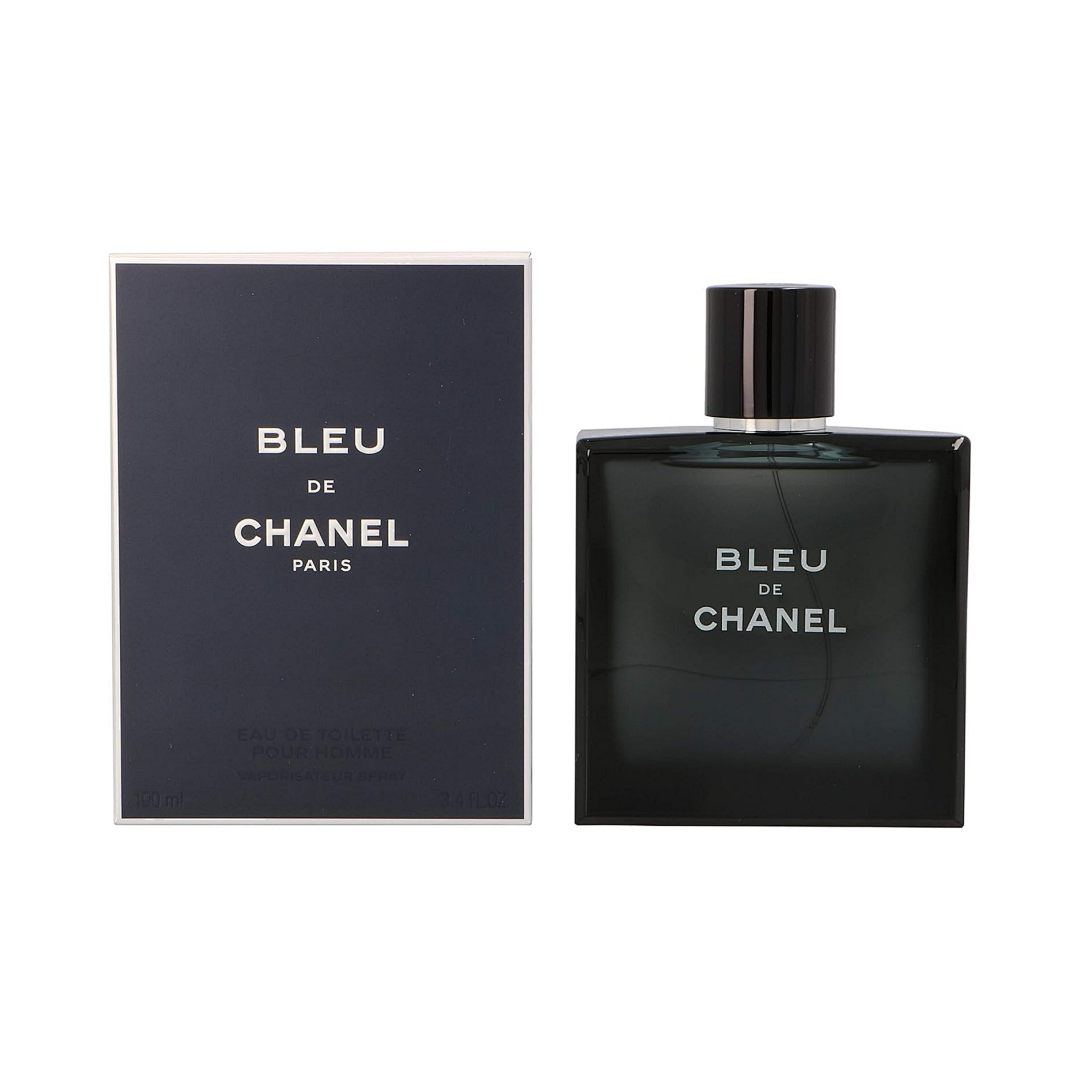
Perfume boxes are designed to block light and cushion the bottle from temperature changes. Clear glass bottles on display look beautiful, but they’re exposed. If you love displaying your collection, keep it in a dark corner away from windows, or rotate bottles from boxes.
4. Avoid Windowsills and Direct Sunlight
UV light is one of the fastest ways to ruin perfume. A bottle that sits in the sun even for a few weeks can noticeably change color and smell.
5. Keep Away From Heat Sources
Radiators, heaters, stoves, lamps and electronics all generate heat. Keep your fragrance at least three feet away.
6. Never Leave Perfume in the Car
Cars can reach extreme temperatures on sunny days — far beyond what perfume can tolerate. Use a small travel atomiser instead and bring it inside with you.
7. Store Bottles Upright
Upright storage keeps fragrance away from the seal and atomiser, reducing leaks and limiting contact with air.
8. Keep the Cap On
The cap protects the atomiser from dust and limits evaporation and oxidation. Always replace it after use.
9. Don’t Shake Your Perfume
Shaking introduces oxygen bubbles. Perfume doesn’t separate, so there’s no reason to shake it.
10. Decant Large Bottles You Rarely Use
As a bottle empties, it holds more air — which speeds oxidation. If you own a 100 ml bottle you only wear occasionally, decant some into a small atomiser for daily use and keep the main bottle sealed and boxed.
11. Should You Keep Perfume in the Fridge?
Generally, no. A regular fridge is fine for temperature, but it’s humid, it’s opened constantly (causing temperature swings) and food odors can permeate packaging. Unless you live somewhere extremely hot with no cool space, a dark wardrobe is better. A dedicated, stable-temperature beauty fridge is the exception.
How Long Does Perfume Last?
| Fragrance Type | Typical Shelf Life (Well Stored) |
|---|---|
| Citrus, aquatic, fresh EDTs | 2–4 years |
| Florals | 3–5 years |
| Ambers, woods, gourmands | 5–10+ years |
| Oud and resin-rich Arabian perfumes | Often 10+ years; some improve with age |
Many bottles carry a “period after opening” (PAO) symbol — an open jar icon with a number like 36M, meaning 36 months. It’s a guideline, not an expiry date; well-stored perfume often lasts much longer. Heavy base notes like those explained in our fragrance notes guide are the most stable.
Signs Your Perfume Has Gone Bad
- Sour, vinegary or metallic opening — top notes have oxidized.
- Darker color than when you bought it (note: some vanilla-rich perfumes darken naturally).
- Weaker scent and shorter longevity.
- Cloudiness or sediment.
Expired perfume isn’t usually dangerous, but it may irritate sensitive skin. If it smells off, spray it on fabric or a scent strip instead — or simply replace it.
Storing Perfume in Hot Climates
If you live somewhere warm and humid, these extra steps help:
- Use an interior wardrobe on a shaded wall.
- Keep bottles boxed and grouped in a closed storage case.
- Consider a small dedicated beauty fridge for treasured bottles.
- Choose resilient fragrance styles — ambers, ouds and woods.
For warm-weather scent picks, see our best summer perfumes.
How to Store Perfume When Traveling
- Use refillable travel atomisers (TSA rules allow containers of up to 3.4 oz / 100 ml in carry-on bags).
- Pack bottles in their boxes in the middle of your suitcase for insulation.
- Never leave fragrance in a hot car or in direct sun at the beach.
Best Storage Solutions for a Perfume Collection
Once your collection grows, it’s worth investing in storage that protects every bottle. Here are the most effective options, from simplest to most advanced:
| Storage Option | Protection Level | Best For |
|---|---|---|
| Original boxes in a drawer | Excellent | Any collection size |
| Closed wardrobe shelf | Very good | Bottles used every day |
| Opaque storage boxes or cases | Very good | Medium to large collections |
| Glass display cabinet away from windows | Moderate | Displaying favorite bottles |
| Dedicated beauty / wine fridge | Excellent (stable temperature) | Very hot climates, rare bottles |
| Open dresser tray near a window | Poor | Not recommended |
How to Store Perfume by Fragrance Type
Citrus and Fresh Fragrances
These are the most fragile because citrus molecules oxidize easily. Store them in the darkest, coolest spot you have and try to use them within a few years. Fresh favorites like Neroli Portofino and Light Blue stay brightest when boxed.
Florals
Florals are moderately stable but can lose sparkle with light exposure. Keep them boxed and away from windows.
Ambers, Woods and Gourmands
Rich fragrances such as Tobacco Vanille and Khamrah are the most resilient, but heat still alters them. A cool wardrobe keeps them at their best.
Oud and Attars
Oud oils and resin-rich Arabian perfumes are famously stable and some connoisseurs believe they mature and round out with age. Store oils in tightly sealed bottles away from heat. Learn more in our guide to oud perfume.
Does Unopened Perfume Last Longer?
Yes. An unopened, sealed bottle has minimal exposure to oxygen, so it ages far more slowly. Many fragrance enthusiasts buy backup bottles of their favorites and keep them sealed in their boxes. If you do the same, remember the core rule of how to store perfume: cool, dark and stable.
Spray Bottles vs Splash Bottles vs Roll-Ons
- Spray atomisers are the best for longevity — they limit air contact and keep skin oils out of the bottle.
- Splash bottles expose the liquid to air and fingertips each time you open them, so they oxidize faster.
- Roll-ons can pick up skin oils and bacteria; clean the ball regularly and keep the cap tight.
How to Store Perfume Samples and Decants
Small vials and decants have a high air-to-liquid ratio, so they age faster than full bottles. Store them upright in a small box or pouch in a drawer, label them with the fragrance name and date, and use them within a year or two for the best experience.
Can You Revive Perfume That Has Changed?
Unfortunately, oxidation can’t be reversed. However, a fragrance with a slightly “off” opening may still be lovely once the top notes evaporate. Try spraying it and waiting 20 minutes. If the heart and base smell good, enjoy it on clothes or scarves, or use it as a room or linen spray.
How to Store Perfume Checklist
- ✔ Cool spot, ideally below about 68–70°F (20–21°C)
- ✔ Dark — boxed or in a closed drawer
- ✔ Dry — not in the bathroom
- ✔ Stable temperature — away from heaters, windows and air-con vents
- ✔ Upright, with the cap firmly on
- ✔ Never in the car
- ✔ Decant rarely used large bottles
Perfume Storage Mistakes We See Most Often
- Lining bottles along a sunny bedroom windowsill because they look beautiful.
- Keeping a daily fragrance on the bathroom vanity next to the shower.
- Leaving a bottle in the glovebox or a gym bag in the car.
- Throwing away the box straight after purchase.
- Storing bottles on their side in a handbag, where they leak and warm up.
Avoid these and your collection will stay fresh for years. Combine good storage habits with smart application — see our guide on where to apply perfume — to get the most from every bottle.
The Science of Perfume Degradation (Simply Explained)
Understanding why you should store perfume carefully starts with chemistry. Perfume is a solution of fragrance molecules in alcohol. Three main processes change it over time:
- Oxidation: oxygen reacts with fragrance molecules — especially citrus terpenes like limonene — producing new compounds that smell sharper or sour.
- Photodegradation: UV light provides energy that breaks chemical bonds, changing color and scent.
- Evaporation: heat and loose caps allow alcohol and light molecules to escape, concentrating heavier notes and altering balance.
Each of these speeds up with heat. That’s why the golden rule is to store perfume cool, dark and sealed.
How to Store Perfume in Small Spaces
- Use drawer organizers to keep boxed bottles upright and tidy.
- Repurpose a shoebox or opaque storage case on a wardrobe shelf.
- Use under-bed storage in an interior room for backups.
- Keep only your daily bottle out — on a shaded shelf away from windows — and the rest stored away.
Displaying Perfume Safely
We understand — perfume bottles are beautiful and many people love to display them. If you do:
- Choose a wall away from windows and heat sources.
- Use a closed cabinet with tinted or UV-protective glass if possible.
- Rotate display bottles, keeping the most precious ones boxed.
- Display empty or nearly empty bottles and store the full ones safely.
Perfume Storage for Collectors
Serious collectors often use dedicated, stable-temperature storage such as a wine or beauty fridge set around 54–60°F (12–16°C), which avoids the humidity and constant opening of a kitchen fridge. They also keep inventories with purchase dates and batch codes, and decant favorite bottles into travel sprays to minimize exposure of the main bottle. Whether you have five bottles or fifty, the same principles of perfume storage apply.
Which Perfumes Age Best?
| Ages Well | Ages Quickly |
|---|---|
| Oud and resin-rich fragrances (e.g. Shaghaf Oud Royale) | Citrus colognes |
| Ambers and vanillas (e.g. Tobacco Vanille) | Light aquatic EDTs |
| Woody perfumes (e.g. Santal 33) | Green, leafy fragrances |
| Leather and patchouli scents | Delicate fruity florals |
Learn why in our fragrance notes guide.
How to Store Perfume: Room-by-Room Guide
| Room | Verdict | Why |
|---|---|---|
| Bedroom wardrobe / drawer | Best | Cool, dark, stable |
| Walk-in closet | Excellent | Dark and away from windows |
| Living room shelf (shaded) | OK | Fine if away from sun and heaters |
| Kitchen | Avoid | Heat, steam and cooking odors |
| Bathroom | Worst | Heat, humidity and temperature swings |
| Car | Never | Extreme temperatures |
Final Word on How to Store Perfume
Good perfume storage isn’t complicated: keep bottles cool, dark, dry, upright and capped. Do that, and you’ll protect every fragrance you own — from everyday favorites to treasured special-occasion bottles. Looking for your next addition? Browse our guides to the best perfumes for women and long-lasting perfumes for men.
Frequently Asked Questions
Where is the best place to store perfume?
The best place is a cool, dark, dry spot with a stable temperature, such as a bedroom drawer, wardrobe or closet, ideally with the perfume kept in its original box.
Is it bad to keep perfume in the bathroom?
Yes. Bathrooms have heat, steam and frequent temperature changes, all of which speed up the breakdown of fragrance.
Should I store perfume in the fridge?
Usually not. Kitchen fridges are humid and their temperature swings with frequent opening. A dedicated beauty fridge or a cool wardrobe is better.
How long does perfume last once opened?
Most well-stored perfumes last 3–5 years after opening, and rich amber, woody or oud fragrances can last 10 years or more.
How can I tell if my perfume has expired?
Signs include a sour or vinegary opening, a darker color, weaker scent, shorter longevity or cloudiness.
Final Thoughts
Learning how to store perfume properly is one of the easiest ways to protect your collection. Keep bottles cool, dark, dry and capped — ideally boxed in a bedroom drawer — and they’ll reward you with years of beautiful wear. Pair good storage with smart application from our guide on how to make perfume last longer.
Ready to add a new bottle to your collection? Shop Loves Perfumes.